

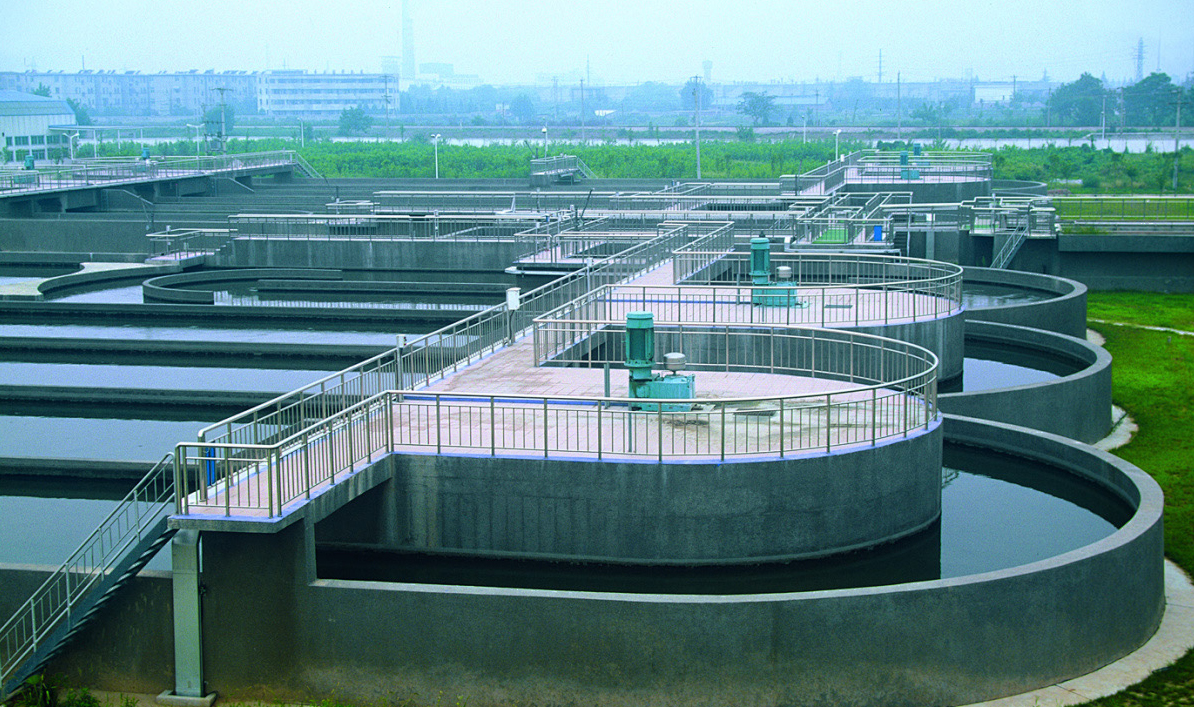
Many industries produce wastewater more or less. Today, with increasingly stringent environmental requirements and anincreasing shortage of water resources, these wastewaters mustbe treated to be discharged or recycled. According to incompletestatistics, these industrial sectors that produce sewage include. mining (coal, phosphate, aluminum, iron, potash, copper, goldborax, etc.), oil extraction, steel, paper, food processing (dairyproducts, meat).Class, starch, sugar, wine, potato processingetc.), refining, machinery manufacturing and repair, chemi calelectroplating, pharmaceutical, ceramics, printing and dyeingelectricity, leather and so on.
| TYPES OF SLUDGE | NONIONIC FLOCCULANT | ANIONIC FLOCCULANT | CATIONIC FLOCCULANT | |
|
AGRICULTURAL AND SIDELINE FOOD |
SLUDGE DEWATERING | √ | √ | |
| WASTEWATER TREATMENT | ||||
| DYEING | SLUDGE DEWATERING | √ | ||
| WASTEWATER TREATMENT | √ | |||
| PAPERMAKING | SLUDGE DEWATERING | √ | √ | |
| WASTEWATER TREATMENT | √ | √ | ||
| CHEMICAL ENGINEERING | SLUDGE DEWATERING | √ | √ | √ |
| WASTEWATER TREATMENT | √ | √ | ||
| MECHANICAL PROCESSING | SLUDGE DEWATERING | √ | √ | √ |
| WASTEWATER TREATMENT | √ | |||
| OIL-CONTAINING WASTEWATER TRAETMENT | √ | |||

Copyright © 2026 PT PRATAMA VALVE INDO